
What are my silver coins worth?
What could your silver coins be worth? We explore what affects value in pre 47 silver coins
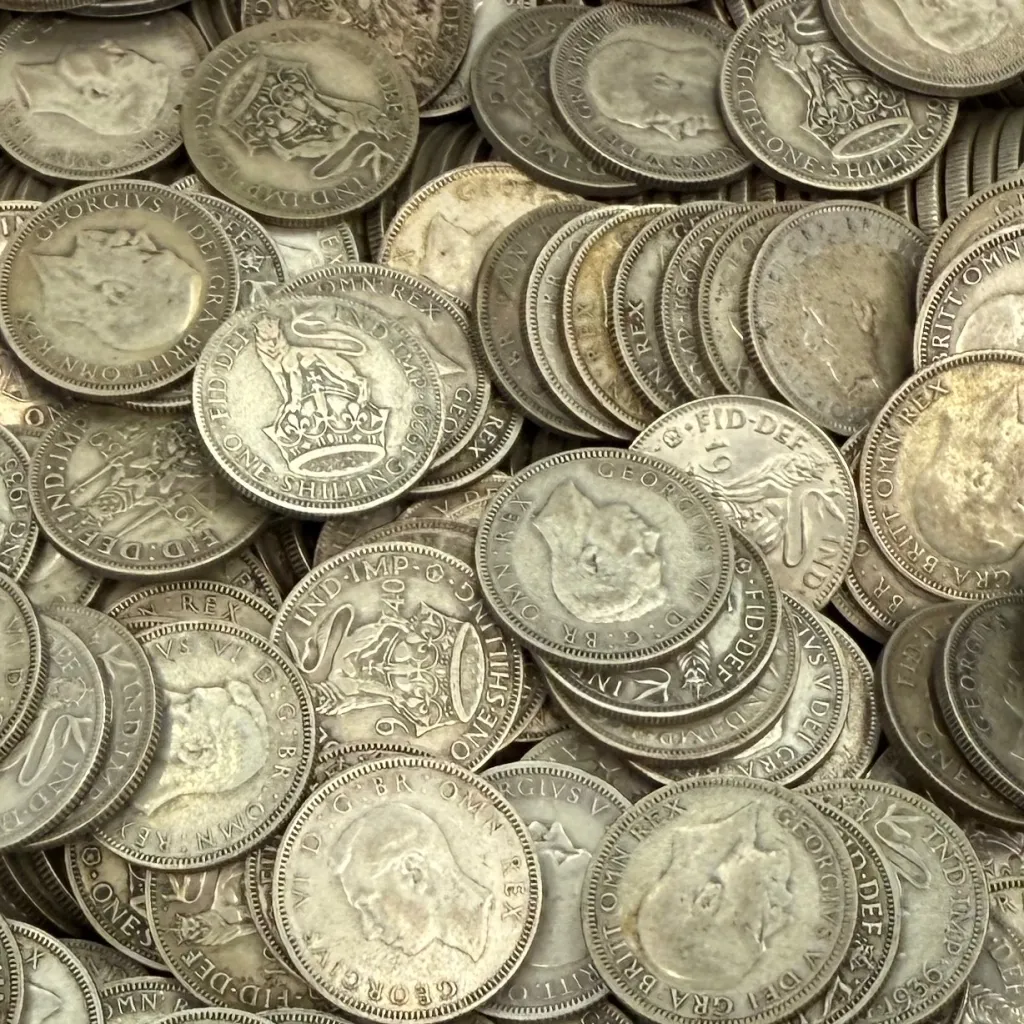
Pre-1947 vs Pre-1920 British Silver Coins: What’s the Difference — and Why Are They Worth More Than Face Value?
For anyone sorting through an old coin collection, a box of inherited change or a handful of British pre-decimal coins, two dates are particularly important: 1920 and 1947.
Both dates mark significant changes in the composition of British coinage. Coins struck before 1920 contain considerably more silver than those produced from 1920 to 1946, while the silver content was removed altogether from most British circulating coinage in 1947.
That distinction can make a substantial difference to what an old coin is worth today.
What are pre-1947 silver coins?
The term “pre-1947 silver coins” generally refers to British circulating silver coins dated 1946 or earlier. These include denominations such as the sixpence, shilling, florin, half crown and crown.
The key point is that British silver coinage changed composition twice during the 20th century.
Until 1919, the standard was sterling silver, or 92.5% silver. From 1920, the silver content was reduced to 50%. Then, from 1947, silver was abandoned in the circulating coinage and replaced by cupro-nickel. The Royal Mint confirms that the reduction in 1920 was driven by rising silver prices, with the bullion value of the coins threatening to exceed their face value.
This means that simply finding a British coin dated before 1947 isn't the end of the story. The exact date matters.
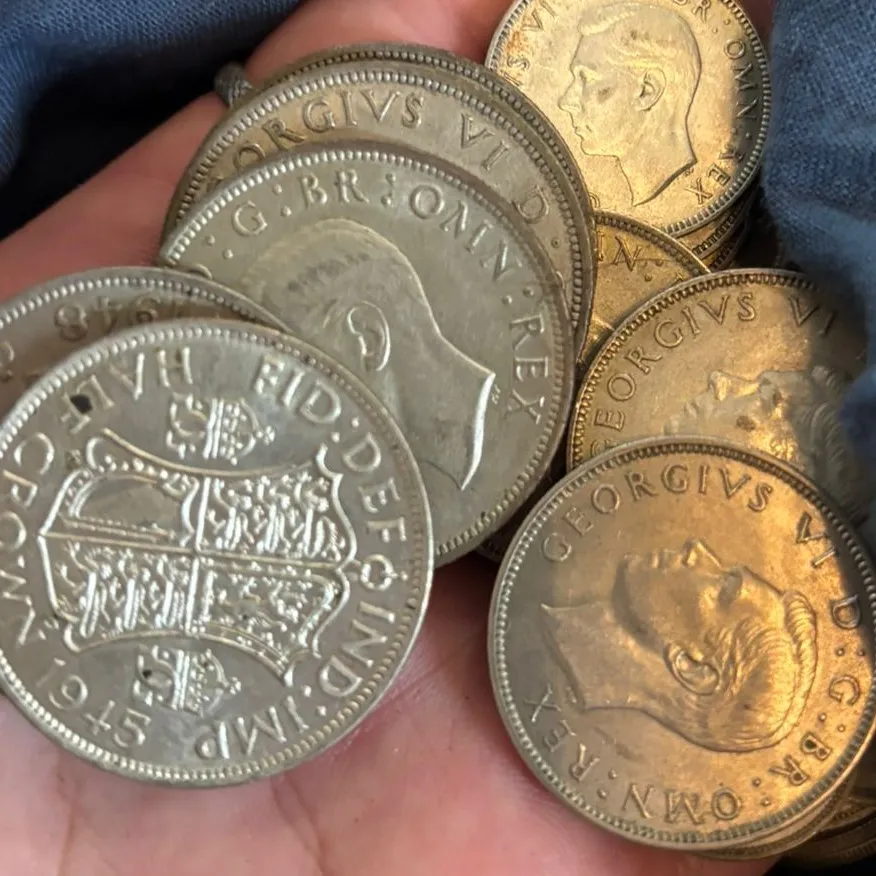
Pre-1920 silver coins: the higher-silver era
British silver coins dated 1919 or earlier were generally struck in sterling silver, containing 92.5% pure silver.
For collectors and precious-metal buyers, these are particularly interesting because they contain almost twice as much silver as the equivalent coins produced from 1920 onwards.
For example, a standard pre-1920 shilling weighs approximately 5.66 grams, of which around 5.23 grams is pure silver. A shilling from the 1920–1946 period has the same overall weight but contains approximately 2.83 grams of pure silver.
The difference becomes increasingly significant with larger denominations such as florins, half crowns and crowns.
Coin | Pre-1920 silver | 1920–1946 silver |
|---|---|---|
Shilling | 92.5% | 50% |
Florin | 92.5% | 50% |
Half crown | 92.5% | 50% |
Crown | 92.5% | 50% |
In practical terms, two otherwise similar coins with the same face value can contain dramatically different quantities of silver simply because one was struck before 1920 and the other afterwards.
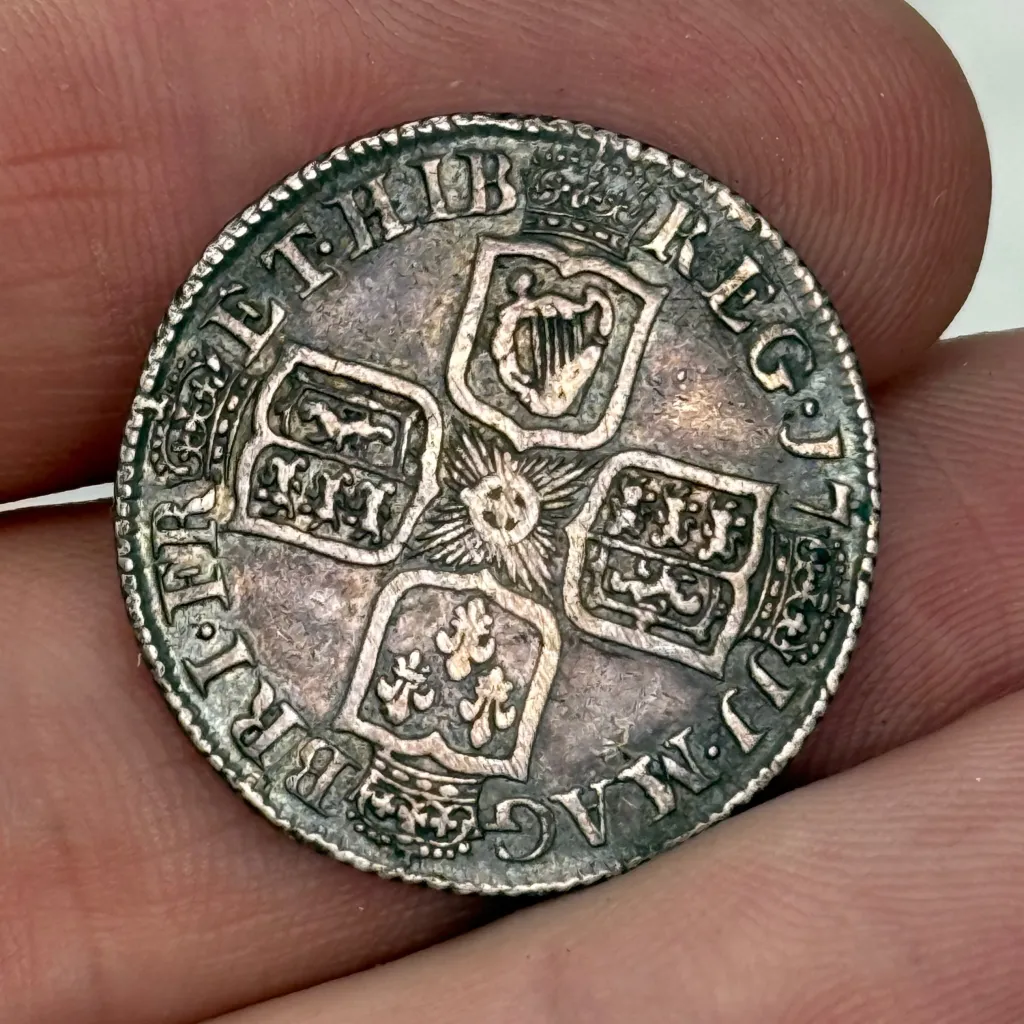
Were these coins demonetised?
There are two related changes that are worth separating.
First, silver was removed from circulating British coinage in 1947. That did not mean that all earlier silver coins suddenly became worthless or ceased to be usable as money. Rather, Britain changed the metal standard used for newly produced circulating coins. (Royal Mint)
The second major change came with decimalisation on 15 February 1971, when Britain moved from pounds, shillings and pence to the decimal system. Before Decimal Day, a pound consisted of 20 shillings and 240 old pence. (Bank of England)
The withdrawal of individual pre-decimal denominations happened over the years surrounding decimalisation rather than through one simple “silver coins were demonetised” event. For example, the half crown was demonetised in January 1970, while the old shilling continued to circulate alongside the decimal 5p until 1990. (Royal Mint)
So it is more accurate to say that the old pre-decimal denominations were progressively withdrawn and ultimately ceased to function as ordinary circulating currency, while the silver itself retained a commodity value.
And that distinction is crucial.
Why are old silver coins worth more than their face value?
The face value of an old coin tells only part of the story.
A pre-decimal shilling, for example, had a face value of one shilling — one twentieth of a pound under the old £sd system. Today, however, that historical denomination no longer represents its practical spending value.
A silver coin has another source of value: the precious metal contained within it.
As the market price of silver changes, so too does the underlying bullion value of a silver coin. This is why a worn, common-date pre-1947 coin can still be worth considerably more than its original face value.
The difference is particularly pronounced with pre-1920 coins because they contain 92.5% silver rather than the 50% alloy used between 1920 and 1946.
There can also be a collectable or numismatic value on top of the metal value. Scarce dates, unusual varieties, high-grade examples and historically significant coins can command premiums beyond their silver content.
For that reason, valuable coins should not automatically be treated simply as scrap silver.
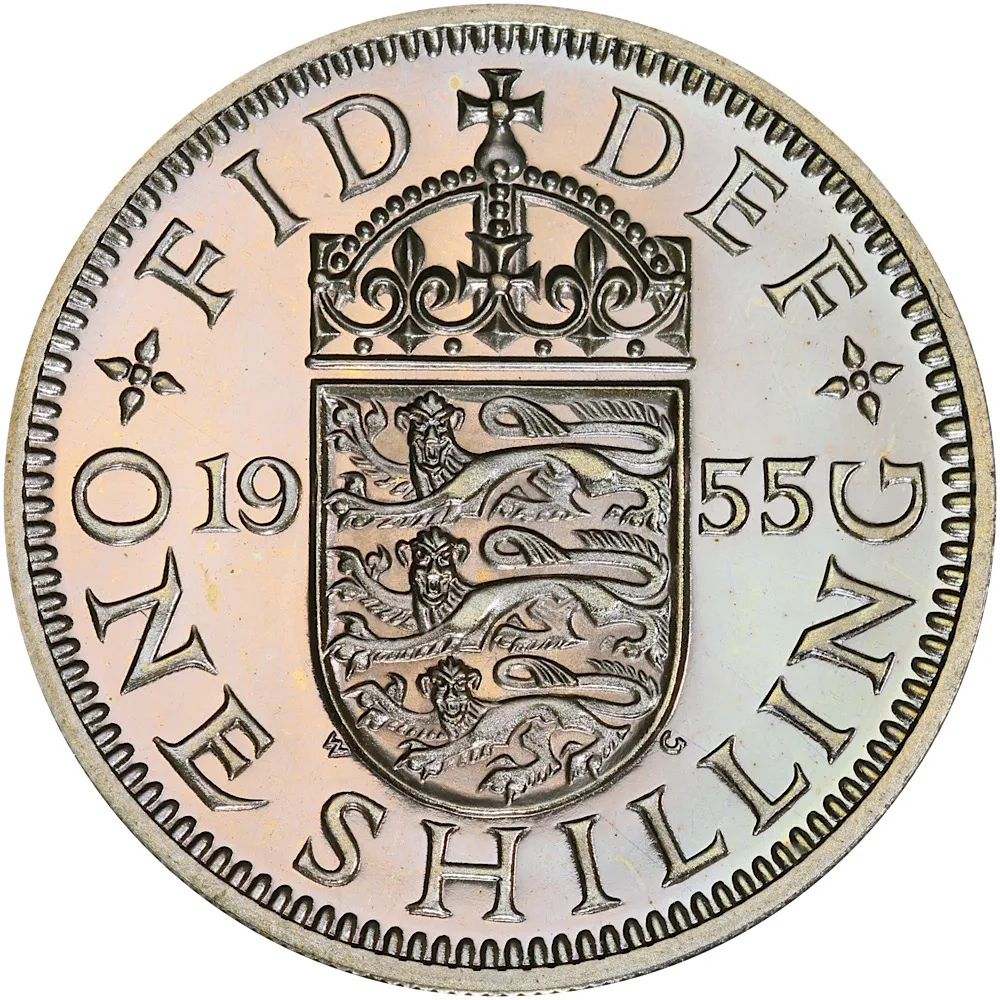
How can you tell which type you have?
The easiest starting point is the date.
If you have a British silver-coloured pre-decimal coin, check the date on both sides. If it is:
1919 or earlier: sterling silver at 92.5%.
1920–1946: 50% silver.
1947 onwards: ordinary circulating examples are cupro-nickel rather than silver.
It is also important to identify the denomination. British coinage included crowns, half crowns, florins, shillings, sixpences and silver threepences, among others.
The small threepence is worth particular attention because the familiar 12-sided threepence introduced in 1937 was made from nickel-brass, rather than being one of the silver threepences.
What are your old British silver coins worth?
For anyone with a collection of old British coins, the most useful first step is to establish the silver content and current silver price.
Durham Coins' live calculator allows you to check the indicative value of your precious metals using live market pricing. Durham Coins also confirms that it buys pre-1947 British currency, as well as other silver coins and bullion.
Because silver prices move continually, an online valuation can be more useful than relying on an old price guide or a figure quoted years ago. Durham Coins' calculator is available 24/7, allowing owners to check what their silver may be worth whenever it suits them.
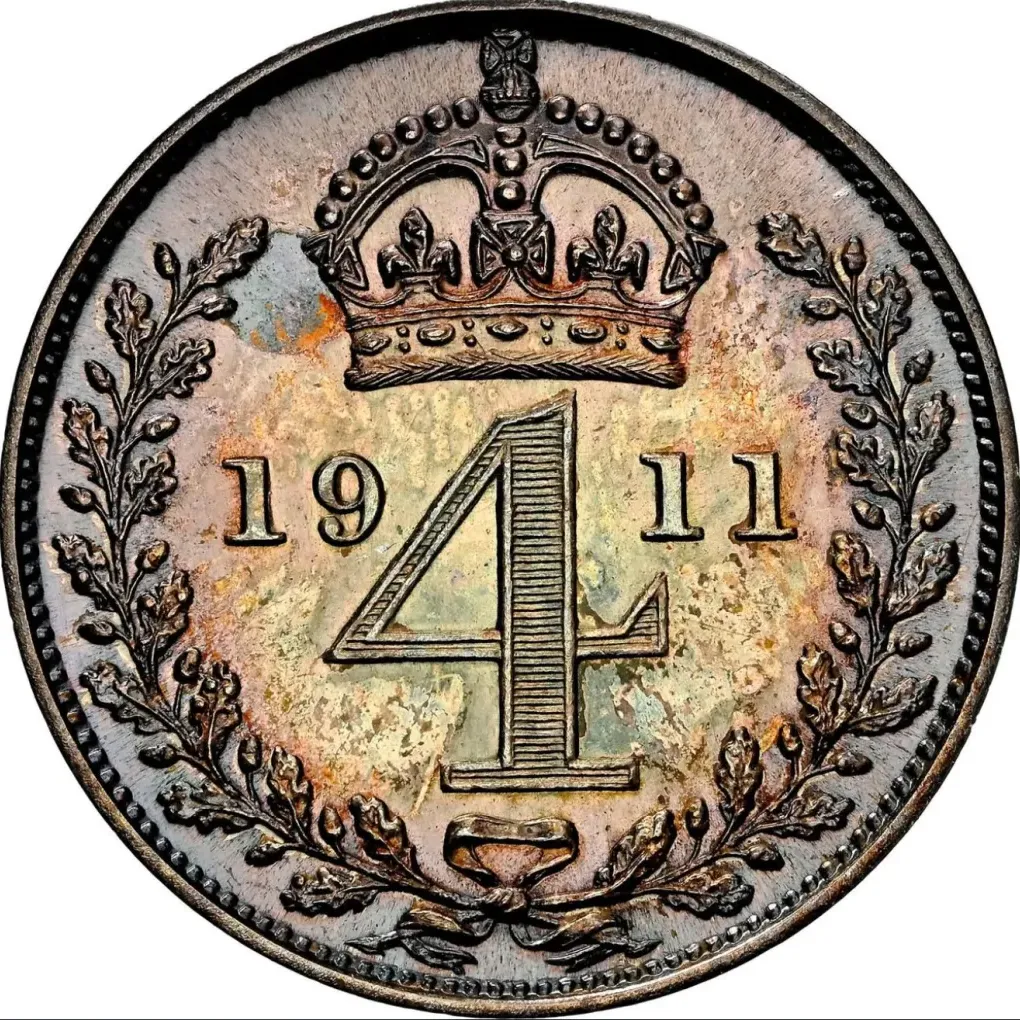
The important dates to remember
For anyone going through an old British coin collection, the simplest rule is:
Pre-1920: sterling silver — 92.5% sterling silver.
1920–1946: reduced-silver alloy — 50% silver.
1947 onwards: circulating British coinage switched to cupro-nickel, with no silver content.
The result is that not all “old silver” coins are equal. A pre-1920 shilling contains substantially more silver than a shilling dated between 1920 and 1946, while a typical 1947 shilling contains none.
And although the coins were eventually removed from everyday monetary use, their value did not disappear with their demonetisation. For silver-bearing examples, the precious metal gives them a value that can be many times their original face value.
For anyone who has inherited a collection, discovered a jar of old coins or simply wants to know what those forgotten shillings and half crowns are worth, Durham Coins buys pre-1947 British silver coins, and its live calculator provides a convenient way to check their indicative value 24 hours a day, seven days a week.